
Blog Topics
All Blogs
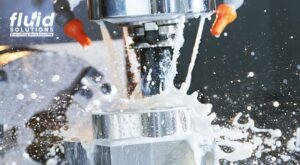
Mixing Cutting Coolants Correctly: Why It Matters for CNC Machines
Improper coolant mixing leads to poor machining results and shorter tool life. Learn how to mix coolants correctly to maintain consistent performance.
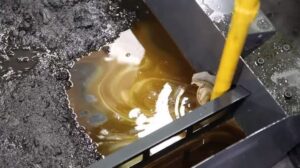
How to Properly Clean Your CNC Machine Sump for Optimal Coolant Performance
Learn how to properly clean your CNC machine sump to extend coolant life. Follow these sumps cleaning best practices for optimal results.
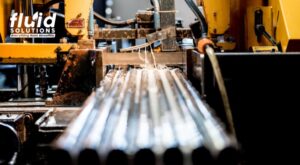
Achieving Peak Performance by Maintaining Cutting Coolant Concentration
Proper coolant concentration is critical for efficiency. Discover best practices for maintaining cutting fluid levels for optimal results.

The Significance Food Grade Lubricants Protect to Your HACCP Program
Learn how food grade lubricants ensure food safety and HACCP compliance by preventing contamination and enhancing equipment efficiency.

A Guide to Water-Soluble Coolants: Emulsions, Synthetics, and Semi-Synthetics
Understand the benefits of water-soluble coolants, from emulsions to synthetics, to choose the best for your machining and grinding processes.
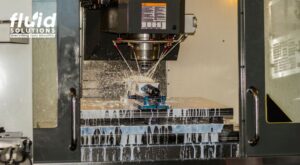
Benefits of Water-Soluble Cutting Fluids in Machining and Grinding
Enhance your machining and grinding efficiency with water-soluble cutting fluids, providing superior cooling and reduced costs.
Choosing the Best Cutting Fluids for Metal Removal Processes
Discover how cutting fluids optimize metal removal processes like machining and grinding, improving tool life, and overall efficiency.
Using Centralized Lubricating Systems for Industrial Equipment
Optimize your industrial maintenance with centralized lubricating systems. Discover tips and lubrication solutions today.
The Hidden Key to Hydraulic System Longevity: Mastering Oil Cleanliness Levels
Learn the ISO 4406 and NAS 1638 cleanliness standards, their key differences, and where each of these guidelines applies.