mage Source: https://rcphotostock.com/stock-photo/pouring-oil-to-car-engine-fresh-motor-oil-poured-during-an-oil-3277.html
The Importance of Engine Oil
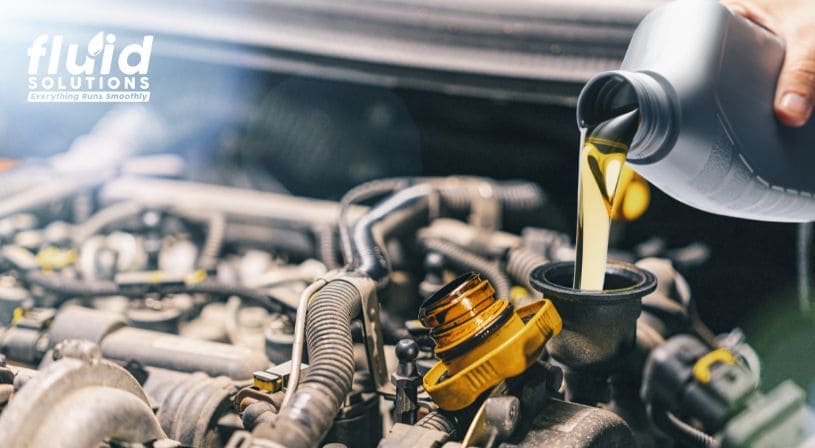
Engine oil directly impacts the lifespan of vehicles, from passenger cars to heavy-duty trucks. Aside from lubricating the engine’s moving parts by reducing friction and wear, it also helps keep the engine clean, cool, and sealed. Regular maintenance, including timely engine oil replacement, helps maintain overall engine health.
Dangers of Failing to Change Engine Oil
Increased Engine Wear
Over time, oil breaks down and becomes contaminated with dirt, metal particles, and combustion byproducts. When oil is not replaced, it loses its effectiveness, leading to increased friction between engine components. This friction causes sped-up wear and tear, which can cause severe damage to critical parts, leading to costly repairs or engine failure.
Reduced Efficiency
As engine oil degrades, it can lead to reduced engine efficiency. Worn components, such as piston rings and valves, may not seal properly, allowing pressurized gases to escape during the combustion process. This loss of compression results in decreased horsepower and overall engine performance. Increased friction caused by heavily used oil can lead to higher fuel consumption as the engine works harder to overcome the resistance.
Decreased Engine Lifespan
The combination of increased wear, reduced efficiency, overheating, and sludge formation can significantly shorten the lifespan of an engine. Following your vehicle’s oil change frequency is a simple yet effective way to maintain engine health and ensure that the vehicle performs optimally.
How Often Should You Change Your Oil?
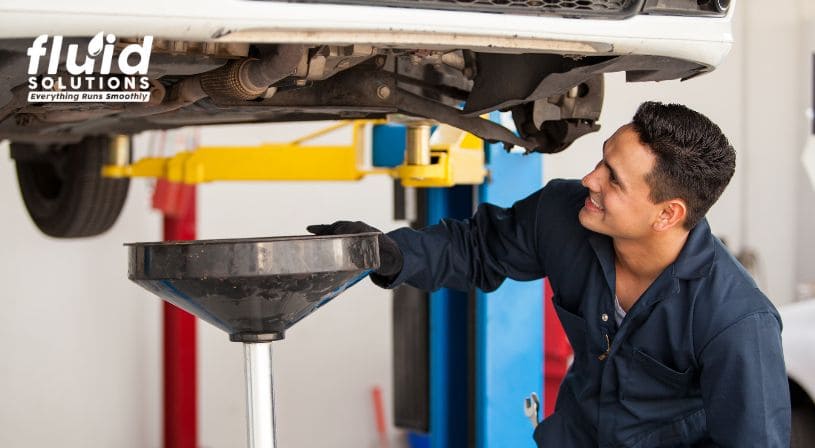
Image Source: https://www.istockphoto.com/search/2/imagefilm?phrase=oil+change+mechanic+smiling+motor+vehicle
Oil Change Frequency for Cars & Trucks
Traditional Guidelines
In the past, when mineral-based engine oils were the industry standard, it was commonly recommended to change your car’s oil every 5,000 kilometers or every three months, whichever comes first.
Modern Recommendations
However, with advances in oil chemistry and engine technology, most modern cars can now go much longer between oil changes. Many automakers recommend intervals of 10,000 to 15,000 kilometers.
Low-Mileage Vehicles
Even if you don’t drive your car very often, it’s still important to change the oil at least once a year to prevent the build-up of contaminants and ensure that the oil keeps its lubricating properties.
Driving Conditions and Oil Degradation
Aside from the oil type, driving conditions also dictate truck oil change frequency.
- Increased Engine Load: When a truck carries a heavier payload, the engine gas to work harder to produce torque. This higher load generates more heat, which accelerates the breakdown of engine oil.
- City Driving: Trucks that primarily operate in urban environments experience cleaner conditions, allowing for longer oil life
- Off-road and Harsh Conditions: More frequent oil changes are necessary for trucks that operate in off-road or harsh conditions, as they are exposed to more dirt, debris, and challenging environments
Regular oil changes are essential for maintaining the health and performance of a vehicle’s engine. Following the recommended intervals and using high-quality engine oils help prevent costly repairs and ensure that a car or truck runs smoothly for years to come. Check your vehicle’s user manual for more detailed guidelines on oil change intervals.
Prevent Costly Repairs – Ensure Timely Oil Changes with Fluid Solutions
Fluid Solutions provides high-quality engine oil in the Philippines that offers fleet-friendly engine oils designed for every vehicle type.
For more information, you may check our catalog of automotive lubricants or contact us for our expert guidance in choosing the right engine oil and our servicing schedule. You may also reach us via our contact numbers at (02) 8370 5928 / (0917) 894 9156 or email your concerns to [email protected].
Social Media Links:
Facebook Page: https://www.facebook.com/fluidsolutionsinc
LinkedIn: https://www.linkedin.com/company/fluid-solutions-inc