What is Lubrication Starvation?
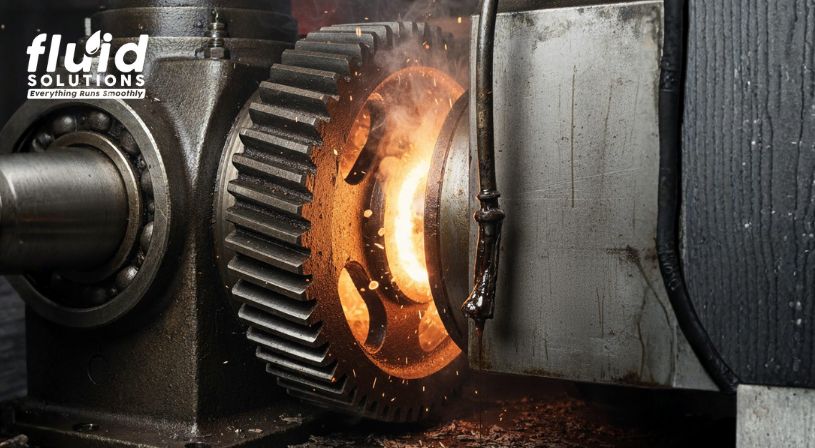
Lubrication starvation occurs when insufficient lubricant reaches the surfaces of machine components to maintain a protective lubricating film. This failure disrupts the lubrication regime leading to direct metal-to-metal contact, increased friction, excessive heat, and accelerated wear. Starvation can occur even when lubricant volume appears adequate, making it a concealed yet critical risk to machine components. Even brief episodes of starvation can cause significant damage, thus requiring prompt detection and addressing of its root causes.
Causes of Lubrication Starvation
Lubrication starvation results from interruptions or insufficiencies in the delivery or maintenance of lubricant films on critical machine components. The primary causes include:
- Blockages and Contamination
- Clogged Filters: Accumulation of dirt, oxidative byproducts, and debris in oil filters may restrict lubricant flow to downstream components, causing starvation.
- Sludge and Carbon Deposits: Thermal degradation and coking create deposits that obstruct oil channels and bearing grooves.
- Incorrect Gasket Use: Application of certain sealants like silicone on oil inlet gaskets can block lubricant flow paths.
- Air Entrapment and Foam: Air pockets or oil aeration within lubrication lines decrease film integrity and lubricant volume.
- Contaminants: Intrusion of water, soot, and particulates degrade lubricant quality and hinder flow.
- Mechanical and Installation Issues
- Damaged or Bent Lubrication Lines: Kinking or damage during installation of lubrication lines impedes flow.
- Defective or Incorrect Components: Wrong or malfunctioning pumps, filters, gaskets, or lubricators disrupt flow.
- Failure to Prime Systems: Components such as turbochargers that are not primed before start-up experience immediate lubricant starvation.
- Lubrication System Failures: Mechanical failure of pumps, ring oilers, or automated lubricators can halt flow.
- Improper Lubricant Application: Incorrect grease volume, frequency, or method leads to insufficient lubrication.
- Operational and Environmental Factors
- Extreme Temperatures: Cold causes high viscosity limiting flow; high temperatures degrade lubricant properties.
- High Speeds: Centrifugal forces can expel lubricant from surfaces before film formation.
- Incorrect Lubricant Selection: Using the wrong viscosity grade or type may impair film stability and flow.
- Prolonged Idling: Extended downtime, particularly in cold environments, causes lubricant drainage and starvation on restart.
- Heavy Loads: Elevated mechanical loads can lead to localized heating, shear thinning, and rapid lubricant degradation affecting film strength.
Effects of Lubrication Starvation
Lubrication starvation leads to rapid and escalating consequences, as outlined below:
- Disruption of Lubrication Film
The continuous film of lubricant that normally separates moving metal surfaces is lost, exposing them to direct contact and eliminating the protective barrier.
- Escalation of Friction and Heat
Metal-to-metal contact causes a sharp increase in friction, rapidly generating localized heat that can exceed material and lubricant tolerance limits. - Transient Surface Adhesion (Microwelding)
Elevated heat and pressure cause microscopic welds to form temporarily between asperities of contacting metal surfaces, leading to brief surface fusions.
- Surface Damage and Material Loss
Movement leads to the rupture of microwelds, tearing away microscopic particles of metal, causing surface degradation through scoring, galling, pitting, and accelerated abrasive wear.
How to Prevent Lubrication Starvation
The following procedures target root causes of lubricant starvation to prevent its occurrence:
- Maintain Clean Lubricant Flow
- Replace Clogged Filters: Replace clogged or unclean filters to maintain proper flow and prevent dirt and debris buildup.
- Minimize Sludge and Carbon Formation: Select lubricants with strong oxidation stability, and monitor operating temperatures to trigger oil changes or filtration upgrades, preventing sludge and carbon buildup in oil passages.
- Select Suitable Seals: Use oil-compatible gaskets such as nitrile (NBR) or Viton, which resist swelling and degradation in lubricants, while avoiding silicone materials that can contaminate oil paths by shedding particles
- Control Foam Formation: Use lubricants with anti-foam additives and design reservoirs that minimize air entrapment and aeration.
- Block Contaminant Ingress: Deploy appropriate seals, filtration, and desiccant breathers to exclude water, soot, and particulates that degrade lubricant and impede flow.
- Ensure Proper Mechanical Setup and Installation
- Inspect Lubrication Lines: Regularly check lines for damage or kinks and replace them to ensure proper lubricant flow.
- Verify Component Integrity: Inspect that pumps, filters, and lubricators are properly installed and operating using compatible parts.
- Prime Before Startup: Prime lubrication systems such as turbochargers prior to startup to avoid dry running.
- Schedule System Maintenance: Schedule maintenance for pumps and automated lubricators to prevent mechanical failures.
- Apply Lubricants Correctly: Lubricate components following the appropriate volume, frequency, and method.
- Monitor and Consider Operating Conditions
- Select Temperature-Resistant Lubricants: Choose lubricants formulated for high-temperature conditions.
- Install Baffle or Retainers: Design components with baffles or retainers to prevent lubricant throw-off during high-speed operation.
- Optimize Lubricant Selection: Select lubricants with optimal viscosity, stable base oils, and proper additives for speed, load, and temperature to prevent starvation.
- Preload After Idle Periods: Prevent lubricant drainage by circulating or preheating oil before applying a load after long periods of idling.
- Protect Under Heavy Loads: Monitor temperatures under heavy loads, select shear-stable, high-viscosity lubricants with EP additives.
Preventing Lubrication Starvation?
Preventing starvation starts with the right lubricant. As a trusted source of industrial lubricants in the Philippines, Fluid Solutions provides high-performance oils and greases formulated for demanding industrial applications across manufacturing, agriculture, food and beverage, power generation, and more.
In need of industrial lubricants and greases? Check our products today at https://fluidsolutions.com.ph/products/
Contact us at (02) 8370 5928, 0917 894 9156, or [email protected].
Follow us for the latest news and updates:
Facebook: https://www.facebook.com/fluidsolutionsinc
LinkedIn: https://www.linkedin.com/company/fluid-solutions-inc