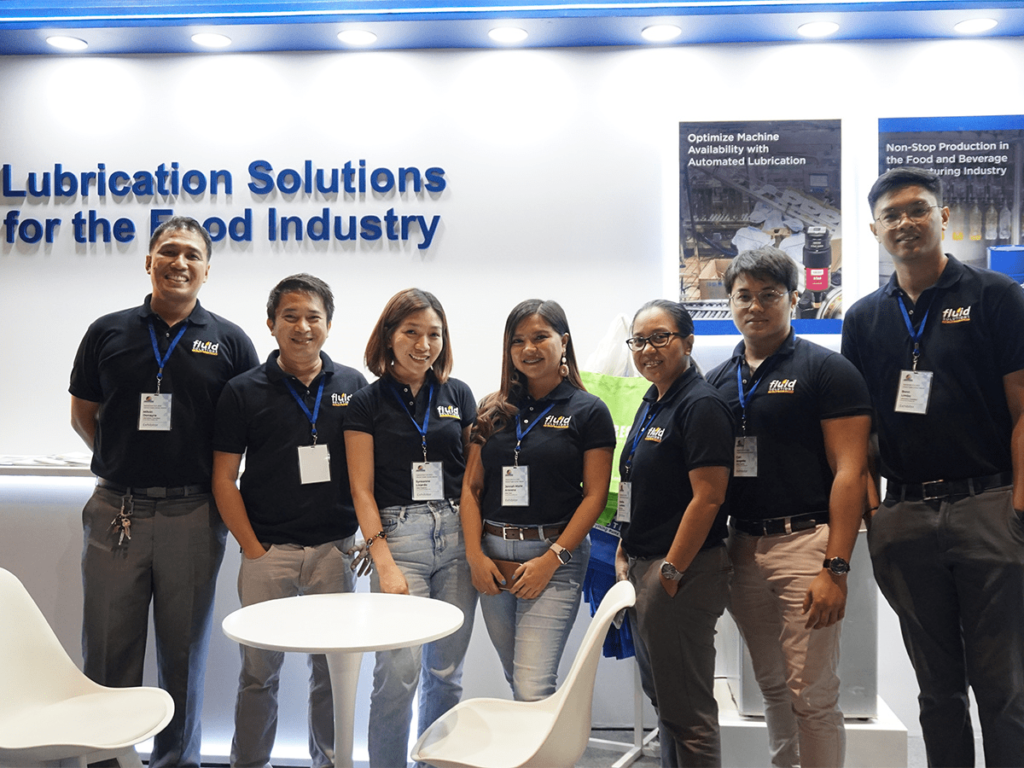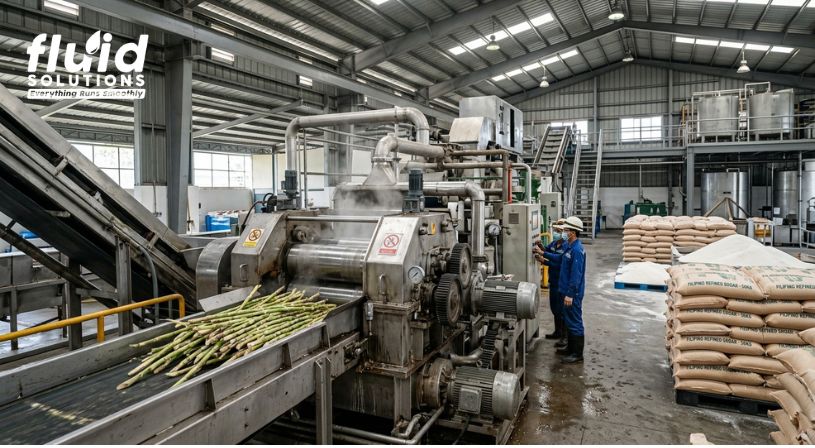
Sugarcane extraction is the first and most mechanically demanding phase of milling, separating juice from cane before it moves to clarification. Cane passes through preparation equipment that cuts and shreds it, then crushing mills or diffusers that extract the juice, followed by conveyors that carry juice and bagasse onward.
Key Takeaways
- The extraction phase is the most mechanically demanding stage of the sugar milling process, where sugarcane is prepared, crushed, and pressed to extract juice.
- Cane knives and shredders operate under high-speed shock loads, placing significant stress on bearings and drive couplings.
- Mill drive gearboxes require gear oils that maintain film strength under heavy loads while resisting moisture and bagasse contamination.
- Roller mill bearings rely on heavy-duty, water-resistant grease to withstand crushing loads and continuous exposure to sugar juice and wash water.
- Feeders, imbibition systems, hydraulic cylinders, and chain drives require lubricants that provide reliable protection in wet conditions while supporting variable operating loads.
- Selecting the appropriate lubricant for each machine helps improve equipment reliability and supports efficient sugarcane extraction.
Machines Used During Phase 1 (Extraction)
The extraction of sugarcane juice depends on a mechanical line that prepares, crushes, and presses the cane in stages. Below is a brief overview of each machine in that line.
Cane Knives and Shredders
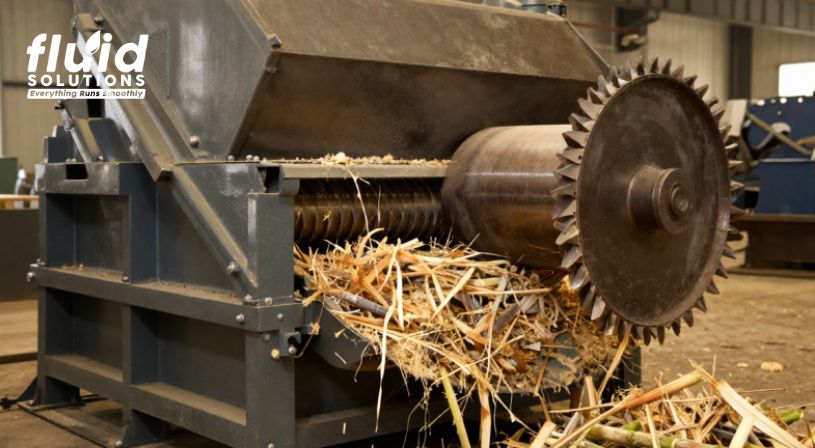
Before extraction, rotating knives and hammer-style shredders cut cane into a fibrous mat, increasing surface area for pressing and improving juice yield in the rollers that follow.
Running at high speed with shock loading from uneven cane feed, these components place heavy demand on the bearings and drive couplings supporting them.
Mill Drives and Gearboxes
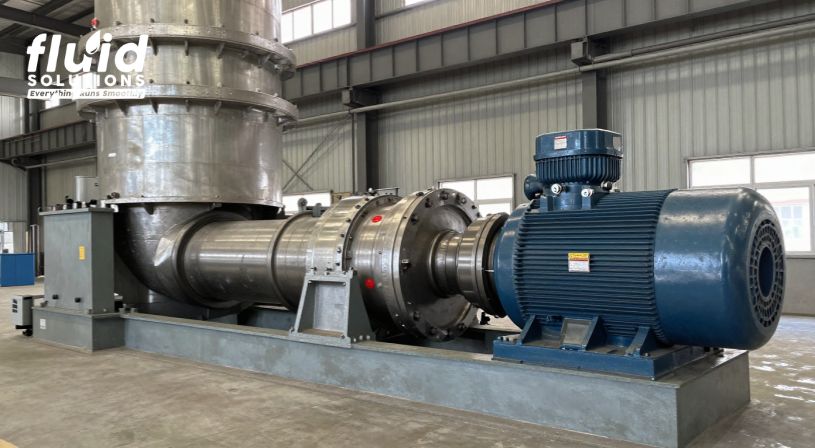
Each roller mill is driven through a reduction gearbox — typically helical or planetary gears — converting high-speed motor input into low-speed, high-torque output for crushing cane.
Operating under continuous heavy load, these gearboxes need gear oil that maintains film strength under shock loading while resisting moisture and bagasse dust.
Roller Mills (Milling Tandem)
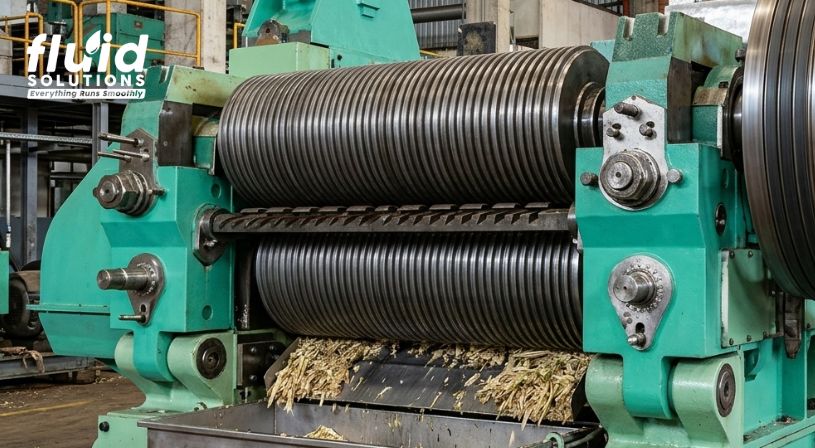
Roller mills, arranged in a tandem of three or more units, form the core of the juicer. Each mill uses three or four heavy rollers to compress shredded cane and force out juice, passing bagasse to the next mill for further extraction. The rollers sit on massive mill bearings (or crown wheels in some configurations), which carry both crushing load and the misalignment stress typical of long roller shafts.
These bearings are commonly packed with heavy-duty grease rated for high load and water washout resistance, given the constant presence of juice and wash water.
Feeders and Imbibition Systems
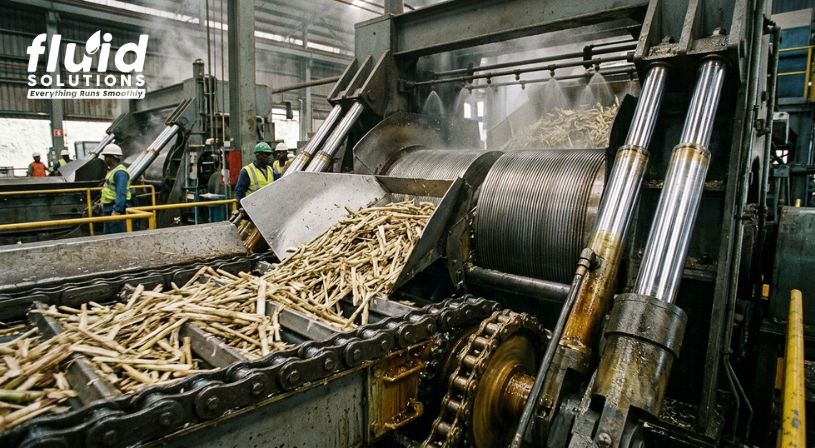
Cane feeders, including Donnelly chutes and cane carriers, move prepared cane into each mill at a controlled rate to maintain even roller loading. Imbibition systems add water, or juice recovered from a later mill, to the bagasse ahead of each pressing stage to improve overall extraction efficiency.
Hydraulic cylinders controlling top roller pressure, along with chain drives on cane carriers, both need lubricants selected for resistance to water contamination and consistent film strength under variable load.
Up Next: Lubricating the Cane Knives and Shredders
Cane preparation looks straightforward from the outside, but the knives and shredders that kick off sugarcane extraction run some of the harshest duty cycles in the entire mill house. Next, we’ll break down the bearing loads, shock resistance requirements, and grease selection criteria specific to this first stage of the process.
Get in Touch
Optimize your extraction line with the right lubricants.
Reach out to Fluid Solutions, Inc for expert recommendations on gear oils, heavy-duty greases, and hydraulic fluids for sugar mill equipment.
- Telephone: (+63) 2 8370 5928
- Mobile: (+63) 917 894 9156
- Email: [email protected]
Stay updated on our latest products and technical insights:
- Facebook: https://www.facebook.com/fluidsolutionsinc
- LinkedIn: https://www.linkedin.com/company/fluid-solutions-inc
Frequently Asked Questions
Why is the extraction phase the most demanding part of sugar milling?
Extraction combines continuous heavy crushing loads with constant exposure to sugar juice, wash water, bagasse fibers, and dirt. These operating conditions place significant stress on gearboxes, bearings, hydraulic systems, and chain drives.
Why do different extraction machines require different lubricants?
Each machine performs a different function and operates under different loads and environmental conditions. Gearboxes require oils that withstand heavy shock loading, while roller bearings, hydraulic systems, and chain drives need lubricants formulated for water resistance and reliable protection under their specific operating conditions.
Why do cane knives and shredders place such heavy demand on bearings?
Cane knives and shredders operate at high rotational speeds and are subjected to frequent shock loading from uneven cane feed. These conditions place significant stress on the bearings and drive couplings that support the equipment.