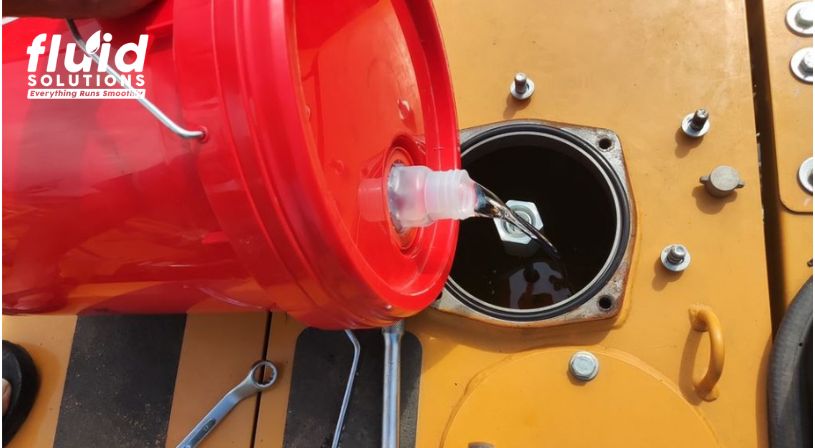
Hydraulic fluid color can provide useful clues about the condition of the fluid and the hydraulic system it supports. While hydraulic oils can vary in color depending on their formulation, changes in appearance may indicate contamination, oxidation, overheating, or other fluid-related concerns.
Understanding what different hydraulic fluid colors may indicate can help maintenance teams identify potential issues early and determine when further inspection or oil analysis may be necessary.
Hydraulic Fluid Color Chart and Meanings
| Hydraulic Fluid Color | Typical Meaning | Common Applications |
|---|---|---|
| Clear / Amber | Fresh hydraulic oil | Industrial machinery |
| Red | Dyed mineral hydraulic oil | Heavy equipment |
| Green | Biodegradable hydraulic fluid | Forestry and agriculture |
| Yellow | Food-grade hydraulic fluid | Food processing plants |
| Blue | Synthetic hydraulic oil | High-temperature systems |
| Milky | Water contamination | Requires inspection |
| Dark brown / black | Oxidation or overheating | Oil degradation |
| Metallic / gray | Metal wear contamination | Component damage |
Hydraulic Fluid Color FAQs
What Does Hydraulic Fluid Color Mean?
Hydraulic fluid color can help technicians identify possible contamination and degradation during routine maintenance inspections. While many hydraulic fluids start clear or light amber, manufacturers may also add dyes to certain formulations for identification or leak detection.
Because these colors are not universal identifiers of fluid type or condition, technicians should compare the oil with its original appearance and confirm the product specification when necessary. Laboratory testing can provide a more complete assessment when significant changes in color occur.
ASTM D1500 Color Classification: Fresh vs. Used Fluids

The ASTM D1500 color scale assigns numerical values from 0.5 to 8.0, providing a standardized method for measuring the color of petroleum products, including lubricating oils. Changes in ASTM color can support condition monitoring, but the color value alone should not be used to determine hydraulic fluid condition or replacement intervals.
Fresh Hydraulic Fluids
- 0.5 to 1.0: Very light yellow, indicating new, clean hydraulic oil as supplied by manufacturers, ready for use.
- 1.5 to 2.0: Light yellow to amber, typical of fresh hydraulic fluids suitable for normal operation.
Used Hydraulic Fluids
As hydraulic fluid is exposed to heat, pressure, and contaminants, its color darkens:
- 2.5 to 3.0: Medium amber, showing a noticeable change from lighter-colored oil. Continue monitoring against the fluid’s original condition.
- 3.5 to 4.0: Dark amber to light brown. A significant change from the fluid’s baseline may warrant further inspection or oil analysis.
- 4.5 to 5.0: Brown. Investigate operating conditions and other indicators of fluid condition if the change is significant.
- 5.5 to 6.0: Dark brown. Further testing can help determine whether oxidation, contamination, or thermal stress is affecting the fluid.
- 6.5 to 7.0: Very dark brown to black. Inspect the system and conduct appropriate fluid analysis to determine the cause of the discoloration.
- 7.5 to 8.0: Very dark or black. A substantial change in appearance warrants further investigation, but replacement decisions should also consider oil analysis results and manufacturer recommendations.
Additionally, hydraulic fluids that appear cloudy or milky, though not captured by ASTM D1500, often signal water contamination or emulsion, requiring urgent investigation.
Hydraulic Fluid Contamination Signs and Appearance
Beyond the ASTM scale, several visual fluid conditions warrant attention:

Cloudy or Milky White
A cloudy or milky appearance commonly indicates water contamination, including emulsified water dispersed in the hydraulic fluid. Water can compromise lubrication, promote corrosion, and accelerate wear, making further inspection and fluid testing important when this change appears.

Gray or Steel-Like Tint
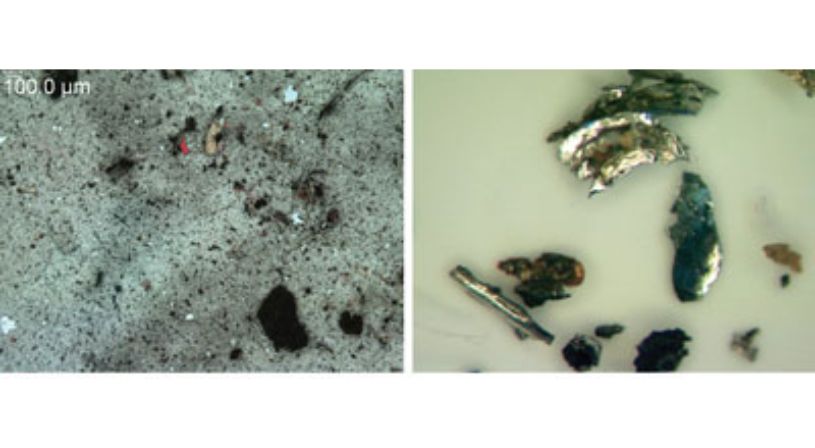
May result from metallic particles suspended in the fluid, signaling wear or debris contamination from system components. This condition calls for particulate analysis and machinery inspection.
Visible Sediment or Particles
Presence of sludge, dirt, or solid contaminants visible to the eye is an important warning sign that system filtration or sealing may be compromised.
Recognizing these situational color and appearance cues enables early detection of contamination or failure modes beyond simple darkening. Combined with ASTM D1500 classification and fluid analysis, they improve maintenance decision-making.
Hydraulic Fluid Color Troubleshooting Guide
| Fluid Condition | Possible Cause | Recommended Action |
|---|---|---|
| Milky fluid | Water contamination | Drain and inspect system |
| Dark brown fluid | Oxidation or overheating | Replace hydraulic fluid |
| Black fluid | Severe degradation | Flush and inspect system |
| Foamy fluid | Air contamination | Check suction lines |
| Metallic sheen | Internal component wear | Conduct oil analysis |
When Should You Replace Hydraulic Fluid?
Changes in hydraulic fluid color can indicate that further inspection is needed, but color alone should not determine when the fluid is replaced. Dark brown or black fluid may indicate oxidation, overheating, contamination, or degradation, while a milky or cloudy appearance commonly points to water contamination. A gray or metallic tint may also indicate wear particles from internal components.
These visual signs should be evaluated together with operating conditions, manufacturer recommendations, and fluid analysis to determine whether the hydraulic oil requires replacement or other corrective action.
The Importance of Fluid Analysis
Visual inspection using the ASTM D1500 color scale is an effective first step in fluid health monitoring but is not definitive. Laboratory fluid analysis, including viscosity, acidity (TAN), water content, and particulate contamination tests following ISO and ASTM standards provides precise data to guide maintenance schedules and fluid replacement decisions, minimizing the risk of failure.
Conclusion
Understanding hydraulic fluid color can help maintenance professionals detect potential signs of fluid degradation and contamination. ASTM D1500 provides a standardized way to monitor color changes, but visual assessment should be supported by fluid analysis and manufacturer recommendations.
Regularly monitoring hydraulic oil color alongside other fluid properties can help maintenance teams identify developing issues and make more informed maintenance decisions.
Trust Fluid Solutions for Your Hydraulic Fluid Needs
Fluid Solutions offer a wide range of premium hydraulic fluids tailored to your machinery and operating environment. Our lubrication experts can assist with fluid selection, compatibility, and best practices to keep your systems running efficiently. Stay proactive by regularly monitoring your hydraulic fluid color and properties. Contact us at (02) 8370 5928, (0917) 894 9156, or via email at [email protected] for assistance.
Social Media Links:
Facebook Page: https://www.facebook.com/fluidsolutionsinc
LinkedIn: https://www.linkedin.com/company/fluid-solutions-inc