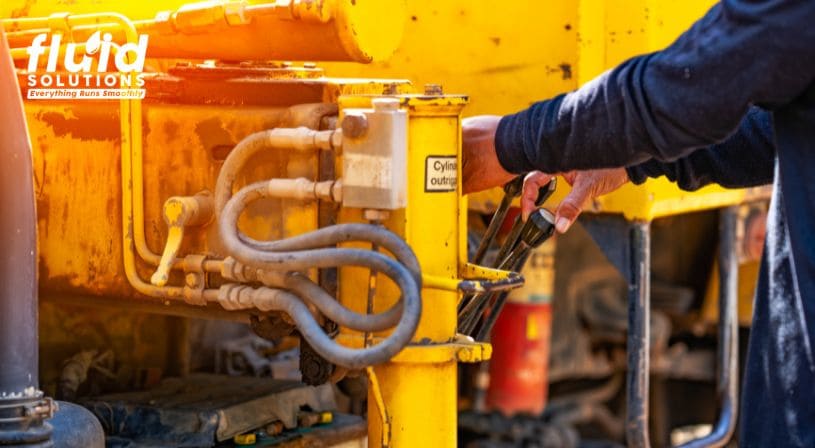
Water contamination in hydraulic systems occurs when moisture enters the hydraulic system and dissolves or emulsifies within the hydraulic fluid. Unlike solid particles, which filters can typically remove, water may blend with the fluid, compromising its function. Even small amounts of water can damage hydraulic systems by corroding metal components, reducing the lubricity of hydraulic oil, increasing the risk of cavitation caused by vapor bubbles, and promoting sludge buildup that clogs internal components.
How Water Enters Hydraulic Systems
Water can enter hydraulic systems through several pathways. Understanding these infiltration routes is essential to prevent hydraulic fluid contamination and equipment damage.
1. Through Seals and Breathers
Seals and breathers are common entry points for water vapor and liquid in hydraulic systems. In humid conditions, moisture-laden air can condense inside reservoirs, while worn or damaged seals allow liquid water to seep in, resulting in contamination and reduced system reliability.
2. Fluid Handling and Storage
Hydraulic oil stored in damp environments or handled improperly may become contaminated. Loosely sealed containers and exposure to humid air allow moisture to mix with the fluid, which degrades performance and causes long-term damage.
3. System Operation
Hydraulic systems may absorb moisture during operation, especially in humid environments. Temperature fluctuations within the system can cause water vapor to condense inside components and reservoirs, leading to water accumulation that impairs fluid performance.
4. Maintenance Practices
Poor maintenance practices increase the risk of water ingress. Moisture can enter during refilling or topping up if hoses or containers are exposed to air. Additionally, using unclean or non-dedicated transfer equipment can introduce water, reducing system reliability.
Risks of Water in Hydraulic Systems

Even small amounts of water introduced into hydraulic fluid can significantly impair system performance and reliability. The following are key effects of water contamination in hydraulic fluids:
- Reduced Lubrication
Water diminishes the lubricating properties of hydraulic oil, increasing friction and metal-to-metal contact. This accelerated wear damages system components and reduces their operational lifespan.
- Oxidation and Corrosion of Machine Components
Water contamination accelerates oxidation within the system, leading to corrosion of metal parts. Corrosion not only weakens components but also contributes additional contaminants to the fluid.
- Formation of Varnish, Sludge, and Deposits
Water can combine with other contaminants to form varnish and sludge that build up inside the system. This buildup restricts fluid flow, clogs filters and valves, and impairs overall system efficiency.
- Cavitation and Pump Damage
Water in hydraulic systems can cause cavitation, where vapor bubbles form and collapse violently. If neglected, this process erodes pump surfaces.
Ways to Detect Water in Hydraulic Systems Early
Given the serious risks water contamination poses, early detection is vital. Various methods, from simple visual checks to advanced sensors, help identify water presence in hydraulic systems to enable timely intervention and prevent damage.
Visual Inspection
The simplest method, visual inspection, can identify water presence when fluids appear milky or cloudy. Rusted parts or sludge buildup also indicate water contamination that can affect fluid performance if not addressed promptly. Though quick and cost-effective, it’s limited to early, obvious signs.
On-Site Testing Methods
Portable tests offer more accuracy. The crackle test heats a fluid sample to produce moisture bubbles, signaling water presence. Moisture meters measure relative humidity and provide more precise readings, helping to identify water before it causes serious issues.
Laboratory Analysis
The most accurate approach involves lab testing, such as Karl Fischer titration, which measures exact moisture content. Regular fluid condition monitoring helps track contamination trends over time, enabling proactive maintenance.
Sensor-Based Monitoring
Modern hydraulic systems often employ real-time sensors. These detect moisture levels continuously during operation and can trigger alarms or maintenance alerts when water levels exceed safe thresholds. Integrated with predictive maintenance programs, sensor data helps catch issues early, preventing system failure.
Best Practices to Prevent and Minimize Water Ingress in Hydraulic Systems
Adhering to best practices is key to ensuring long-term hydraulic system performance and minimizing water contamination risks.
1. Use High-Quality Seals and Desiccant Breathers
Install high-quality seals and desiccant breathers to prevent humid air from entering the system. These components maintain a tight seal and remove moisture from incoming air, protecting the fluid from contamination.
2. Proper Storage and Handling of Hydraulic Fluids
Store hydraulic fluids in clean, dry, airtight containers and manage their handling carefully. Proper storage prevents moisture exposure that can degrade fluid quality.
3. Regular Oil Analysis and Fluid Monitoring
Conduct regular oil analysis to identify early signs of contamination. Incorporating oil condition monitoring programs provides deeper insights into hydraulic fluid health, enabling timely interventions that extend equipment life and ensure reliability.
4. Training Maintenance Staff on Contamination Control
Equip maintenance personnel with thorough training to recognize contamination risks and apply preventive practices. Well-informed teams are vital to maintaining system integrity and preventing water ingress.
Protect Your Hydraulic Systems with Fluid Solutions
Water contamination and poor maintenance can silently damage hydraulic systems. Taking preventive action today ensures your equipment runs smoothly.
Fluid Solutions offers proven expertise and reliable products to help protect your hydraulic systems.
Contact us today at (02) 8370 5928 or (0917) 894 9156 or email us at [email protected] to take the first step toward safeguarding your hydraulic systems.
Follow us for updates and expert tips: