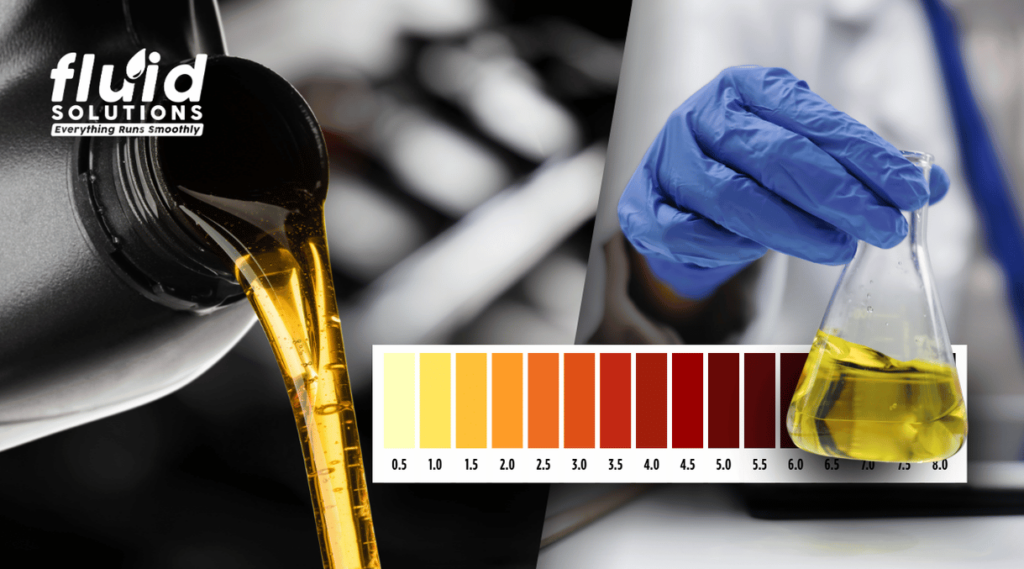
A condition-based oil change strategy is a maintenance approach wherein oil replacement is dictated by its condition, as opposed to adherence to a predetermined fixed oil change schedule. Oil replacement only occurs when oil analysis results display signs of degradation, contamination, or diminished lubricity.
How the Condition-Based Oil Change Strategy Works
Condition-based oil change strategies rely on data-driven oil analysis prior to replacement, following this procedure:
1. Collect and Analyze Samples: Obtain oil samples from lubrication points and subject them to oil analysis to check oil condition parameters
a. Parameters For Visual Oil Analysis
- Color Shifts: Unusual darkening or color changes point to oxidation, overheating, contamination, or additive exhaustion.
- Clarity Loss: Hazy or cloudy appearance hints at water emulsion, sludge accumulation, or suspended fine particles due to filter issues.
- Distinct Viscosity Changes: Noticeably thicker or thinner consistency flags thermal degradation, fuel dilution, glycol ingress, or additive depletion.
- Milky Appearance: A milky or emulsified look signals water contamination from failed seals, condensation, or heat exchanger issues.
- Free Water: Distinct water accumulation at the bottom of drained samples indicates significant water ingress into the system.
- Solid Particulates: The presence of settled sediment, floating debris, or magnetic plug buildup indicates wear, contamination ingress, or overloaded filtration systems.
Read more about Common Parameters for Visual Oil Analysis here.
Note: If visual oil analysis reveals apparent and extreme signs that oil is unusable, proceed to the next step of replacing the lubricant, skipping laboratory oil analysis.
However, conducting both visual and laboratory oil analysis is highly recommended for a clear, comprehensive basis for decision making. Select the approach most applicable to your current workflow.
b. Parameters For Laboratory Oil Analysis
- Viscosity at 40°C: Measurement of oil thickness at a standard temperature. Deviations indicate shear thinning, oxidation, or fuel dilution that impairs lubrication.
- Moisture / Water Content: Detection of water ingress levels. Even trace amounts promote rust, hydrolysis, and microbial growth that degrade performance.
- Flash Point: Indicator of oil volatility and contamination. Drops signal fuel or solvent dilution, reducing fire resistance and increasing fire hazard.
- Density: Assessment of specific gravity shifts from fuel dilution, glycol, or base stock changes. These affect pumpability and heat transfer.
- Acid Number (AN) / Acidity: Tracker of acidic buildup due to oxidation or additive depletion. Rising levels accelerate wear and corrosion.
Read more about Common Parameters for Lab Oil Analysis here.
2. Compare Results Against Predefined Limits: Evaluate test results against predefined limits and historical trends. If the oil meets performance standards, it remains in service; if degradation or contamination is detected, an oil change is scheduled.
3. Perform Oil Change (If Required): Drain degraded oil completely, flush the system if heavy contamination exists, and refill with fresh lubricant. Resume monitoring from baseline.
4. Trend and Refine Decisions: Track oil condition trends over time rather than relying on single data points, using patterns to predict performance decline and refine sampling frequency, oil condition limits, and replacement decisions.
Advantages of a Condition-Based Oil Change Strategy
Condition-based oil change brings the following benefits:
- Maximized Oil Service Life: Continuous condition monitoring allows lubricants to remain in service longer while upholding performance standards, reducing unnecessary changes and wasted oil.
- Real-Time Responsiveness: Adapts to sudden contamination, temperature spikes, or load changes through constant analysis, enabling timely intervention that interval-based methods might miss.
Disadvantages of a Condition-Based Oil Change Strategy
While beneficial, condition-based oil changes also introduce specific challenges.
- Requires Timely Oil Analysis: Depends on regular sampling and lab processing, which can delay decisions if turnaround times lag or resources are limited.
- Inconsistent Intervals of Oil Drain/Refill: Creates varying schedules that may complicate planning and management.
Implement Smarter Condition-Based Oil Changes with Fluid Solutions
Implementing a condition-based oil change strategy requires sufficient knowledge and expertise, monitoring tools, and lubrication solutions.
Fluid Solutions support condition-based maintenance through:
- Oil analysis to determine lubricant condition and contamination
- Technical expertise to optimize oil change schedules and minimize operating costs
- Reliable access to high-performance industrial lubricants throughout the Philippines
For trusted lubrication solutions, contact us today:
- Telephone: (+63) 2 8370 5928
- Mobile: (+63) 917 894 9156
- Email: [email protected]
Stay updated on our latest products and technical insights: