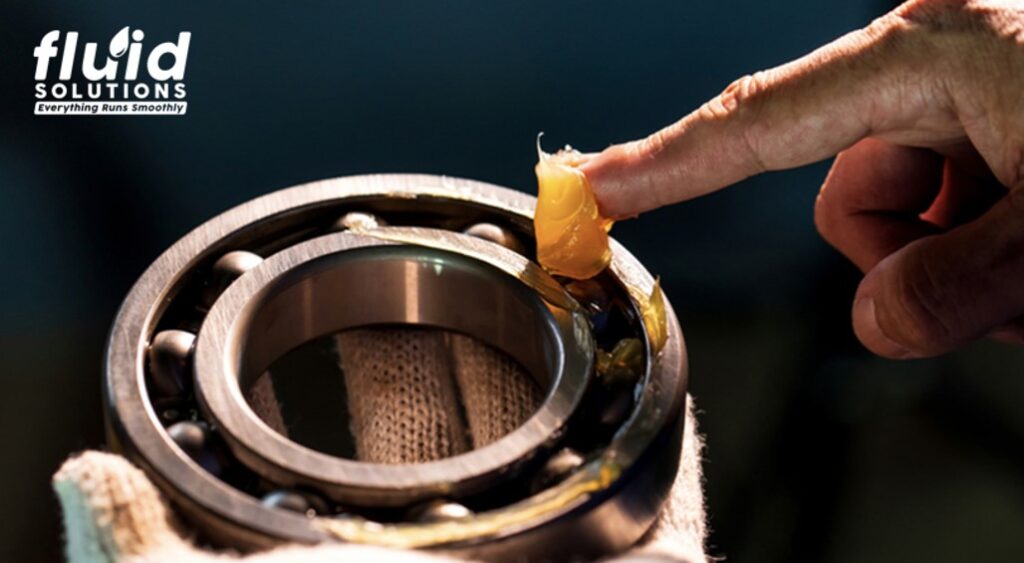
For lubricants, viscosity is a crucial property that determines their effectiveness under different operating conditions. One of the critical factors affecting viscosity, especially in low-temperature environments, is the Pour Point.
What is Pour Point?
Definition of Pour Point
All lubricants and Newtonian fluids exhibit an increase in viscosity as temperatures decrease. At a certain (very low) temperature, a lubricant may solidify also and cease to flow, and thus fail to lubricate.
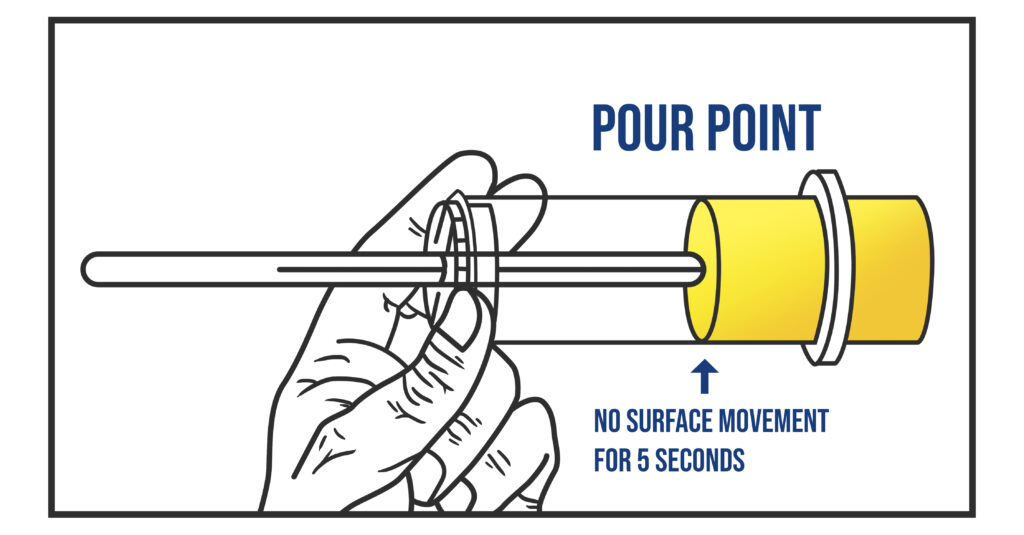
The Pour Point is therefore measured typically with lubricants, wherein Pour Point is the lowest (coldest) temperature that a fluid will still flow, though at a low flow ability rate. Normally, Pour Points of mineral based-lubricants are below zero (0) degrees Centigrade (example -10°C); synthetic lubricants, on the other hand, can provide pour points as low as -30°C to -40°C.
How Pour Point is Measured
The measurement of the Pour Point is standardized to ensure consistency and reliability. Typically, the process involves cooling the lubricant sample in a controlled environment and periodically tilting a container to check if the fluid still flows. The lowest temperature at which movement is observed is recorded as the Pour Point. This test is crucial for understanding how a lubricant will perform in real-world low-temperature applications.
Comparison of Mineral-Based and Synthetic Lubricants
Typical Pour Points of Mineral-Based Lubricants
Mineral lubricants are derived from crude oil and are commonly used due to their cost-effectiveness and availability. However, they generally have higher Pour Points compared to synthetic lubricants. For instance, the Pour Points of mineral-based lubricants typically range around -10°C. This higher Pour Point can limit their effectiveness in extremely cold environments.
Advantages of Synthetic Lubricants in Terms of Lower Pour Points
Synthetic lubricants are engineered to perform better under a wide range of temperatures. They can have Pour Points as low as -30°C to -40°C, making them more suitable for extreme cold conditions. The lower Pour Points of synthetic lubricants ensure they remain fluid and effective even in harsh winter climates, providing better protection for machinery and extending equipment life. Additionally, synthetic lubricants, including grease lubricant varieties, are designed to maintain their consistency and performance across a broader temperature range, further enhancing machinery reliability.
Conclusion
Understanding the concept of Pour Point is essential in selecting the right lubricants for specific applications, especially in low-temperature environments. The choice between mineral-based and synthetic lubricants can significantly impact machinery performance, with synthetic lubricants offering advantages due to their lower Pour Points. By carefully considering the Pour Point, industries can ensure reliable and efficient operations even under extreme frigid conditions.
Optimize Your Lubricant Performance with Fluid Solutions
Partnering with Fluid Solutions can help you optimize your lubricant performance. We offer expert advice and a range of high-quality lubricants designed to excel in low-temperature environments.
Contact Fluid Solutions today at (02) 8370 5928 / 0917) 894 9156 or via email at [email protected] to learn more about our products and how we can help you maintain efficient and reliable operations, regardless of the temperature.