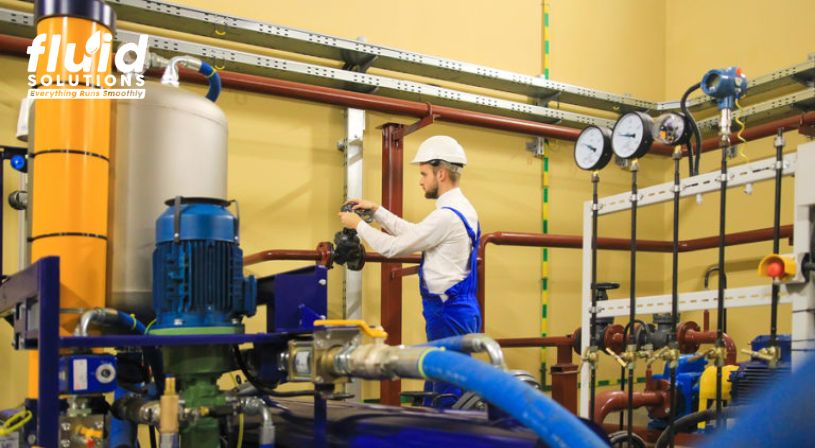
Vacuum pumps are integral to numerous industrial systems, where consistent vacuum levels and mechanical reliability are vital. The condition of vacuum pump oils directly influences pump efficiency and service life. Timely oil changes mitigate mechanical wear, thermal stress, and vacuum loss that degrade system performance. This guide highlights diagnostic indicators for oil replacement, consequences of deferred maintenance, and essential practices for optimal vacuum pump lubricant management.
The Functions of Vacuum Pump Oils
Vacuum pump oils are a specialized industrial lubricant critical to vacuum pump function, providing:
- Sealing – Creates the necessary seal to maintain vacuum pressure inside the pump.
- Lubrication – Reduces friction and wear between moving parts such as vanes and bearings.
- Cooling – Transfers heat away from internal components to prevent overheating.
- Contaminant Capture – Traps moisture and particles to keep the pump system clean and stable.
- Corrosion Protection – Shields metal parts from degradation caused by chemical exposure.
- System Efficiency – Maintains optimal vapor pressure for consistent vacuum performance.
Signs You Need to Change Your Vacuum Pump Oil
Vacuum pump oils degrade over time due to heat, contamination, and oxidation. Recognizing these early signs can prevent costly downtime and maintain pump efficiency.
Common indicators include:
- Cloudy, milky, or foamy appearance – Caused by moisture or contaminants mixing with the oil, which compromises lubrication and causes corrosion.
- Dark or thickened oil – Shows chemical breakdown and contamination; oil that looks sludgy or overly viscous no longer lubricates effectively.
- Higher operating temperatures – Degraded oil loses heat dissipation ability, risking overheating and damage to internal parts.
- Unusual noise or vibration – Increased friction from contaminated or thick oil creates wear and mechanical issues.
- Reduced vacuum performance – Difficulty reaching or maintaining target vacuum levels often signals oil that no longer seals or lubricates properly.
- Discoloration or burnt smell – Indicates oxidation and thermal stress, meaning the oil has lost protective properties.
- Usage duration – Under light or intermittent use, oil changes might be needed only once every 2,000 hours or annually, but continuous or harsh operating conditions often require changes closer to every 1,000 hours or sooner.
Monitoring these signs and performing timely oil changes help extend vacuum pump life and keep industrial processes running smoothly.
Step-by-Step: How to Change Vacuum Pump Oil
Performing an oil change properly ensures long-term pump health. Here’s a safe and effective process to follow:
1. Turn off and cool the pump.
Allow the system to cool before proceeding with the oil change to avoid burns or oil splatter.
2. Drain the old oil.
Open the drain valve and collect the used oil in a designated container for safe disposal.
3. Clean or flush the chamber.
If the oil shows signs of sludge or heavy contamination, flush the system to remove residues.
4. Refill with the recommended industrial lubricant.
Pour in new vacuum pump oil, and monitor the level window to ensure the proper oil level.
5. Run a brief test cycle.
Operate the pump for several minutes to circulate the oil and check for leaks or unnecessary noise.
Why Regular Oil Changes Matter
Neglecting oil maintenance leads to pump wear, overheating, loss of vacuum pressure, and eventual system failure. Contaminated oil can corrode internal parts and accelerate mechanical breakdown. Regular oil changes using high-quality industrial lubricants remain the most cost-effective way to protect your equipment and maintain peak productivity.
Choosing the Right Oil for Your Vacuum Pump
Choosing the right vacuum pump oil means balancing oxidation resistance, vapor pressure, and system compatibility. At Fluid Solutions, we offer a wide array of industrial lubricants designed to handle tough vacuum environments, ensuring steady pressure, less downtime, and longer service intervals.
Maximize your vacuum pump’s performance and reliability, reach out to our lubrication experts today at (02) 8370 5928 or (0917) 894 9156. Contact us at [email protected] to find the right lubrication solution for your operations.
Follow us for updates and expert tips: